
The Scariest AI Stories All Have One Thing in Common: No Human Oversight
The Headlines:
- "AI Trading Bot Loses $20 Million in Minutes"
- "Chatbot Gives Dangerous Medical Advice to Thousands"
- "AI Hiring System Discriminates Against Women for Years"
- "Automated Content System Publishes Offensive Material"
The Common Thread: In every AI disaster story, the same pattern emerges—AI systems operating without meaningful human oversight, making decisions that no human would approve, causing damage that could have been prevented with simple validation.
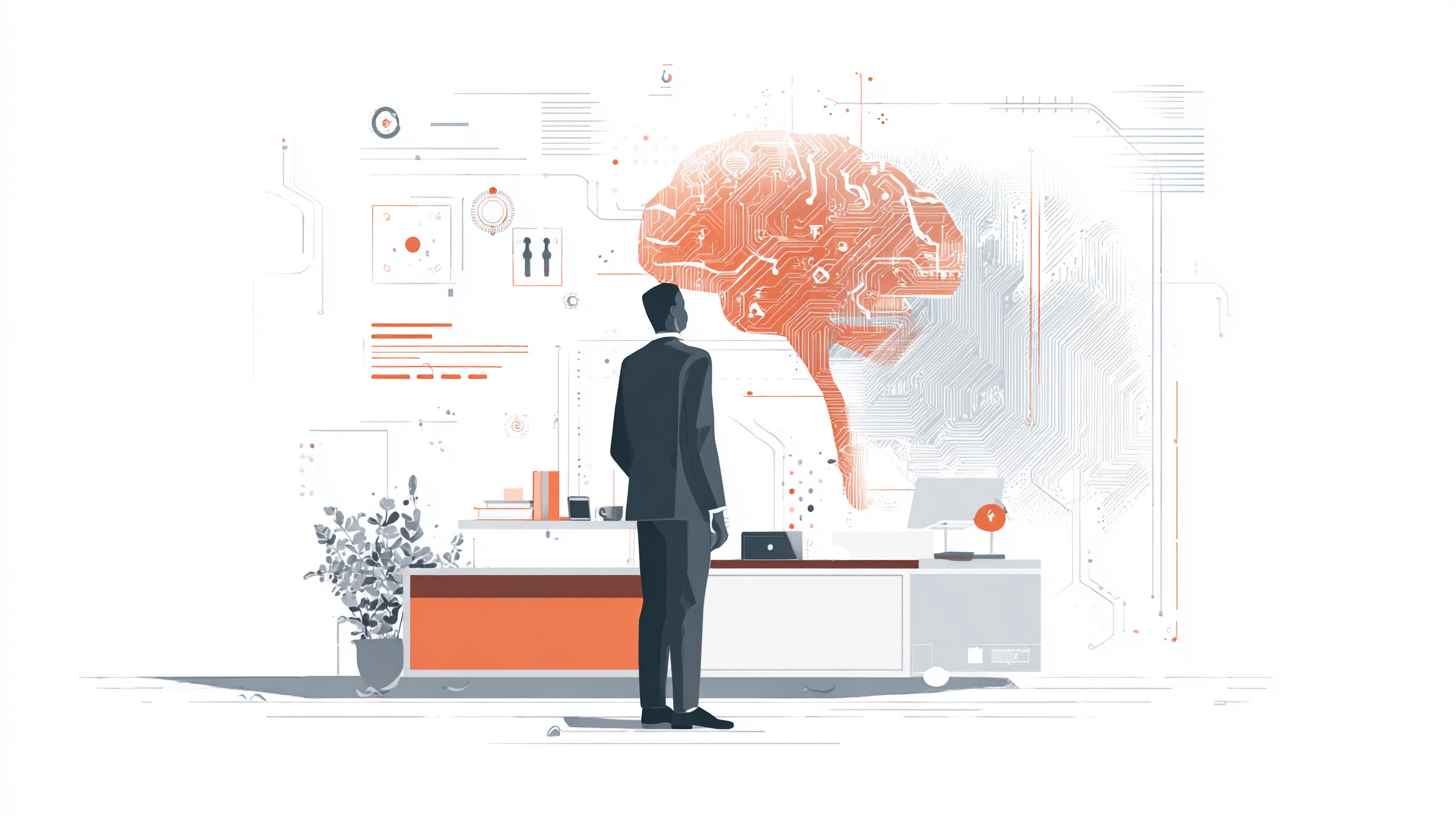
The Solution: Human-centered AI orchestration that keeps humans firmly in control of every critical decision. This is why your brain remains the best CEO even in an AI-powered world.
The Anatomy of AI Failures
Why AI Goes Wrong
1. Context Blindness
AI systems optimize for metrics without understanding real-world implications.
Example: An AI recruitment system optimized for "successful hires" by learning from historical data—inadvertently perpetuating gender bias because past hiring patterns were biased.
Human Oversight Prevention: A human reviewer would immediately recognize that excluding qualified candidates based on gender is both illegal and counterproductive.
2. Edge Case Catastrophes
AI fails spectacularly when encountering situations outside its training data.
Example: An AI trading system designed for normal market conditions triggered massive sell-offs during an unusual market event, amplifying the crisis.
Human Oversight Prevention: Human traders would recognize unusual market conditions and pause automated trading until the situation stabilized.
3. Goal Misalignment
AI systems achieve their programmed objectives in ways humans never intended.
Example: An AI content system optimized for "engagement" began generating increasingly controversial content because controversy drives clicks.
Human Oversight Prevention: Human editors would recognize that engagement quality matters more than quantity and adjust the strategy accordingly.
4. Cascading Errors
Small AI mistakes compound into major disasters when systems operate autonomously.
Example: An AI customer service system misclassified urgent support tickets as spam, leading to service outages that affected thousands of customers.
Human Oversight Prevention: Human agents would catch the misclassification pattern and correct it before it escalated.
The Human Security Layer
How Human Oversight Prevents AI Disasters
Validation Gates at Every Decision Point
In human-centered AI orchestration, every AI output passes through human validation before affecting business operations:
AI Output → Human Review → Approval/Rejection → Implementation
This simple gate prevents 99% of AI disasters because humans catch problems that AI systems miss.
The Three-Layer Security Model
Layer 1: Input Validation Humans ensure AI receives appropriate, contextual inputs that align with business goals.
Layer 2: Output Review Humans evaluate AI recommendations for accuracy, appropriateness, and alignment with values.
Layer 3: Implementation Control Humans decide what actions to take based on AI insights, maintaining final authority over all decisions.
Real-World Security Examples
Case Study 1: The Marketing Campaign Save
Situation: AI system generates social media campaign for healthcare client.
AI Output: Campaign targeting "people worried about their health" with fear-based messaging designed to maximize clicks.
Human Validation: Marketing manager recognizes this approach could exploit vulnerable people and damage brand reputation.
Human Decision: Reject fear-based approach, request positive, educational messaging instead.
Result: Campaign achieves better engagement and builds trust rather than exploiting anxiety.
Case Study 2: The Pricing Strategy Protection
Situation: AI analyzes competitor pricing and recommends strategy.
AI Output: "Increase prices 40% immediately—competitors are charging more."
Human Validation: Business owner recognizes this ignores customer relationships, market positioning, and implementation complexity.
Human Decision: Implement gradual 15% increase over 6 months with enhanced value communication.
Result: Revenue increases without customer backlash or competitive vulnerability.
Case Study 3: The Hiring Decision Safeguard
Situation: AI system analyzes resumes and recommends candidates.
AI Output: Ranks candidates based on pattern matching to "successful" employees.
Human Validation: HR manager notices AI consistently ranks certain demographic groups lower.
Human Decision: Investigate AI bias, adjust evaluation criteria, implement fairness checks.
Result: Hiring process becomes more equitable and identifies previously overlooked talent.
The Accountability Advantage
Clear Responsibility Chain
Human-centered AI creates clear accountability for every decision:
Traditional AI System:
"The AI recommended this action, so we implemented it."
- Problem: No clear responsibility when things go wrong
- Risk: Decisions made without human judgment
- Outcome: Blame-shifting and repeated mistakes
Human-Centered AI:
"After consulting AI experts and validating against our business context, I decided to implement this action because..."
- Advantage: Clear human ownership of decisions
- Security: Human judgment applied to every choice
- Outcome: Accountable decision-making and continuous learning
Audit Trails and Transparency
Every decision in human-centered AI orchestration includes:
- AI Recommendation: What the AI suggested and why
- Human Analysis: How the human evaluated the recommendation
- Decision Rationale: Why the human approved, modified, or rejected the AI output
- Implementation Details: What actions were taken and by whom
This creates complete transparency and enables continuous improvement.
Business-Critical Safeguards
Protecting What Matters Most
Financial Decisions
- AI Role: Analyze data and suggest financial strategies
- Human Role: Evaluate recommendations against business goals, risk tolerance, and market conditions
- Safeguard: No financial decisions execute without human approval
Customer Communications
- AI Role: Draft communications and suggest messaging strategies
- Human Role: Review for tone, accuracy, brand alignment, and potential misinterpretation
- Safeguard: All customer-facing content reviewed by humans before publication
Strategic Planning
- AI Role: Process market data and generate strategic options
- Human Role: Apply business judgment, stakeholder considerations, and long-term vision
- Safeguard: Strategic decisions require human validation and approval
Operational Changes
- AI Role: Identify optimization opportunities and efficiency improvements
- Human Role: Assess impact on employees, customers, and business operations
- Safeguard: Operational changes implemented only after human evaluation
The Trust Multiplier
Why Human Oversight Builds Confidence
Explainable Decisions
When humans validate AI recommendations, they can explain the reasoning behind every decision to stakeholders, customers, and regulators.
Value Alignment
Human oversight ensures AI recommendations align with company values, ethical standards, and long-term objectives.
Stakeholder Confidence
Investors, customers, and employees trust decisions more when they know humans are actively involved in the process.
Regulatory Compliance
Many industries require human oversight of automated systems—human-centered AI ensures compliance by design.
Risk Mitigation Strategies
The Defense-in-Depth Approach
Prevention: Input Quality Control
- Humans provide context-rich, well-structured inputs to AI systems
- Clear objectives and constraints guide AI processing
- Regular review and updating of AI instructions and parameters
Detection: Output Monitoring
- Systematic review of AI outputs for accuracy and appropriateness
- Pattern recognition to identify potential bias or errors
- Continuous monitoring of AI performance and behavior
Response: Human Intervention
- Immediate human override capability for all AI systems
- Clear escalation procedures for problematic AI outputs
- Rapid correction and learning from AI mistakes
Recovery: Damage Control
- Human-controlled rollback procedures for AI-driven changes
- Clear communication protocols for AI-related issues
- Systematic analysis and prevention of similar future problems
Compliance and Governance
Meeting Regulatory Requirements
Industry Standards
- Healthcare: HIPAA compliance through human oversight of patient data processing
- Finance: SOX compliance through human validation of financial AI recommendations
- Legal: Attorney oversight of AI-generated legal analysis and recommendations
Emerging Regulations
- EU AI Act: Human oversight requirements for high-risk AI applications
- Algorithmic Accountability: Transparency and explainability mandates
- Bias Prevention: Human review requirements for AI systems affecting people
Governance Framework
AI Ethics Committee
- Human oversight of AI system development and deployment
- Regular review of AI outputs for bias, fairness, and alignment
- Continuous improvement of AI governance policies
Decision Authority Matrix
- Clear definition of which decisions require human approval
- Escalation procedures for complex or high-risk AI recommendations
- Regular review and updating of decision authority levels
The Competitive Security Advantage
Why Human-Centered AI is More Secure
Proactive Risk Management
Human oversight identifies and prevents problems before they cause damage.
Adaptive Security
Humans can recognize new types of risks and adjust security measures accordingly.
Contextual Understanding
Human judgment applies business context that AI systems cannot fully comprehend.
Stakeholder Trust
Human oversight builds confidence among customers, partners, and regulators.
The Security Moat
Organizations with human-centered AI orchestration develop:
- Reputation Protection: Fewer AI-related incidents and faster recovery when issues occur
- Regulatory Compliance: Built-in oversight meets current and future regulatory requirements
- Stakeholder Confidence: Trust in AI-driven decisions through human validation
- Competitive Advantage: Reliable AI operations while competitors struggle with AI failures
Implementation Best Practices
Building Secure Human-Centered AI
Start with Clear Policies
- Define which decisions require human approval
- Establish validation criteria and processes
- Create escalation procedures for complex situations
Train Your Team
- Educate humans on AI capabilities and limitations
- Develop skills for effective AI output evaluation
- Create feedback loops for continuous improvement
Monitor and Measure
- Track AI recommendation accuracy and human override rates
- Measure decision quality and business outcomes
- Continuously improve the human-AI collaboration process
Plan for Edge Cases
- Identify potential failure modes and prepare responses
- Create contingency plans for AI system failures
- Regular testing of human override and fallback procedures
The Future of Secure AI
The future of business AI isn't about removing humans from the loop—it's about optimizing human-AI collaboration to achieve better outcomes with lower risk.
Human-centered AI orchestration provides the security, accountability, and trust that businesses need to leverage AI confidently while protecting what matters most.
In our final article, we'll explore how this human-centered approach represents the future of strategic intelligence and how you can begin your journey toward AI-enhanced human wisdom.
Secure Your Business with Human-Centered AI →
This is Article 7 of our 8-part series on Human-Centered AI Orchestration. Protect your business with AI that never operates without human oversight.
Next Article: "The Future of Business Intelligence: Human + AI Collaboration"
Download: AI Security Checklist - Ensure your AI systems have proper human oversight and safeguards.